The two I-131 documents
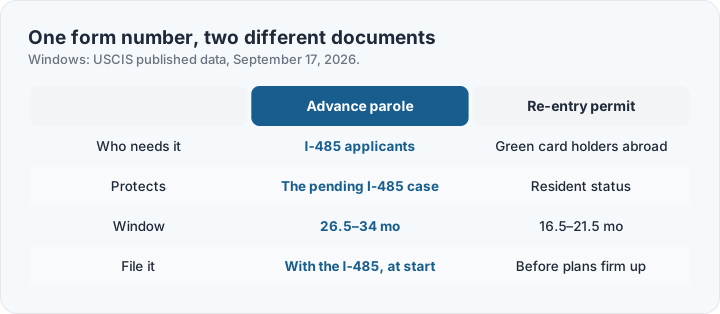
Advance parole is for adjustment applicants: permission to leave the United States and come back to finish the green card. Without it in hand before departure, leaving abandons the I-485 — the case is treated as abandoned, fees and all. Re-entry permits serve the opposite life stage: green card holders who need to spend long periods abroad without giving up residence. Same form number, opposite problems, separate published windows:
| Category | Office / queue | Published 80% window | vs previous release | Inquire after |
|---|---|---|---|---|
| Re-entry permit / refugee travel document | Service Centers | 16.5–21.5 mo | +0.5 mo | January 08, 2025 |
| Advance parole | Service Centers | 26.5–34 mo | +4.5 mo | December 25, 2023 |
Planning travel around 26.5–34 mo
That range is the honest planning number for advance parole, and it deserves respect: book nothing until the document is physically in hand, keep the mailing address current for the whole processing window, and remember that emergency travel has narrow humanitarian channels handled case by case — not a fast lane you can opt into at booking time. Filing the I-131 together with the I-485 at the very start is the standard advice precisely because this queue is long; adding it a year in means a year without leaving.
Three mistakes that cost real trips
First, booking flights against an expected approval date instead of a document in hand — the published range is an envelope of completed cases, not a promise to yours. Second, letting the mailing address go stale mid-window; a travel document cannot forward itself, and the address-change machinery exists precisely for this. Third, forgetting what advance parole is not: it is not a work permit and not a visa, and extended stays abroad while an I-485 pends still carry abandonment questions a licensed attorney should weigh before the trip, not after a border surprise.
Re-entry permits: the quiet five-year insurance
A re-entry permit documents intent to keep residence during absences up to two years per trip. Its published window is long too, and unlike advance parole there is usually no hard deadline pushing you — which makes it tempting to postpone, then urgent all at once when a work posting or family matter lands. Biometrics are typically required for this one, so the after-biometrics sequence applies.