“Case Was Received”
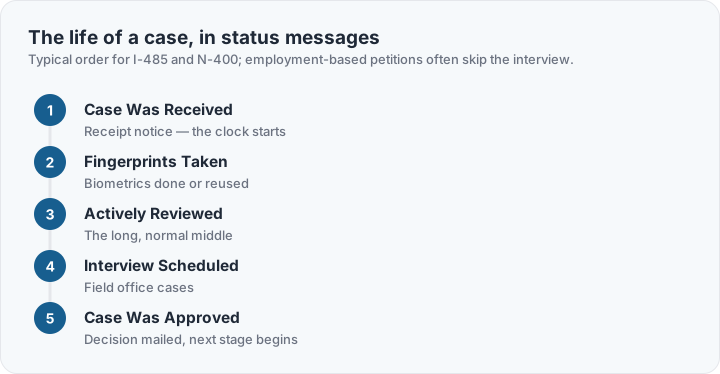
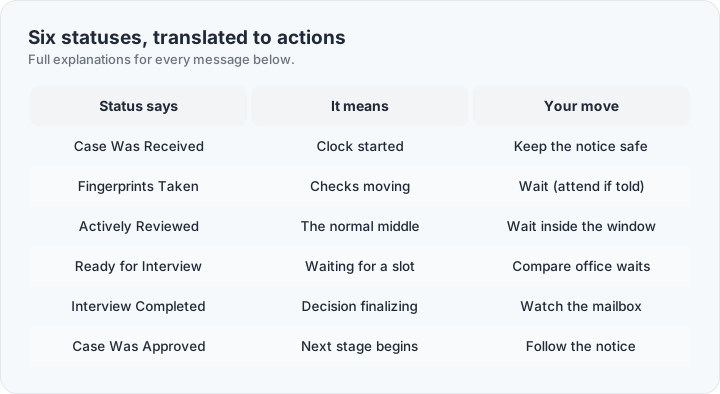
USCIS has your application and has mailed (or emailed) an official receipt notice with your receipt number. The clock on the published processing times starts here.
What to do: Nothing to do. Store the receipt notice safely — the receipt number is the only way to track the case.
“Case Is Being Actively Reviewed”
A USCIS officer has the file and is working through it. For most forms this is the longest and most normal stage of the whole case — silence here is expected, not a bad sign.
What to do: Check your form's published range and let the clock run. Use the wait estimator to see where you sit in it.
“Case Was Updated to Show Fingerprints Were Taken”
Your biometrics (fingerprints) are on file and the background check tied to them is moving. Some applicants attend an appointment; many I-485 and N-400 applicants have their earlier fingerprints reused.
What to do: Nothing to do. If you were told to attend an appointment and missed it, contact USCIS before the case stalls.
“Fingerprint Review Was Completed”
The FBI background check based on your fingerprints has cleared.
What to do: Nothing to do. The case returns to the officer's queue.
“Case Is Ready to Be Scheduled for an Interview”
The file is complete on USCIS's side and is waiting for an interview slot at the office that will decide it. Interview scheduling is driven by local workload — this is where field-office differences are largest.
What to do: Compare field office waits on the I-485 or N-400 pages to see what scheduling looks like in your area.
“Interview Was Scheduled”
You have (or will receive) an appointment notice with the date, time and office. I-485 and N-400 cases almost always interview; most employment-based cases do not.
What to do: Attend. Bring original documents, a government-issued photo ID, and copies of everything you filed.
“Interview Was Completed”
Your interview happened and the officer is finalizing the decision or waiting on a check.
What to do: A decision usually follows by mail within a few weeks. Some officers approve on the spot; either is normal.
“Response to USCIS' Request for Evidence Was Received”
USCIS asked for more evidence (an RFE), and your response has arrived and been matched to the file. The clock restarts on reviewing that response.
What to do: Nothing to do but wait again — and answer fast next time. An RFE is a request, not a denial.
“Case Was Transferred and a New Office Has Jurisdiction”
Your case moved between USCIS offices (common when applicants relocate or when work shifts between centers). The receiving office now owns the file, and its queue is what matters.
What to do: Nothing to do. The published range of the new office is a better guide than the old one.
“Case Was Approved”
A decision was made in your favor. For I-130 that means the relationship petition is approved and the case moves to the next stage (National Visa Center or adjustment). For I-485 the green card goes into production; for N-400 the naturalization ceremony comes next.
What to do: Watch for the approval notice and, for green cards, the card production and mailing updates.
“Case Was Denied”
The case was not approved as filed, and the decision notice will explain the reason and your options.
What to do: Read the notice carefully — appeal, motion to reopen, or refiling windows are short. This is the point to consult a licensed immigration attorney; this site does not give legal advice.
“Case Was Reopened”
A previously decided case is being looked at again, usually after a motion or an appeal was filed.
What to do: Nothing to do beyond what your motion or appeal instructions say.
The status that is not a message: no change for weeks
The most common reading question is not on the list, because it is the absence of one. Statuses post when an office takes an action; between actions there is nothing to post. Weeks — for most forms, months — inside the published 80% window is the system working as designed, not a red flag. The honest check is not "did my status move this week" but "where does my case age sit in the published window" — which is one receipt date away in the wait estimator.
Two statuses deserve respect when they do arrive. A Request for Evidence resets part of the clock and its deadline is short — the response quality is worth more than speed, but both matter. A denial notice contains appeal and motion windows measured in weeks; that is the moment for a licensed immigration attorney, not a forum thread. This site explains numbers and vocabulary; it does not replace counsel, and the disclaimer says so plainly.